How to Choose the Best Corner Metal Brackets for Your Projects?
Choosing the right Corner Metal Brackets is crucial for any project. Expert James Thornton, a leading engineer in the construction industry, emphasizes, “The strength of a build often hinges on the smallest components.” This statement underlines the importance of these small yet vital hardware pieces.
When selecting Corner Metal Brackets, consider the specific needs of your project. The material, size, and weight capacity of brackets can significantly affect durability and safety. Look for high-quality options to ensure stability. Each project can present unique challenges. What works for one may not suit another, highlighting the need for careful evaluation.
It’s easy to overlook the details when overwhelmed by choices. However, investing time in understanding what Corner Metal Brackets fit your needs pays off. Take the time to research and seek expert guidance. This is an area where quality truly does matter. Balancing aesthetics and functionality can lead to the best outcomes.
Factors to Consider When Selecting Corner Metal Brackets
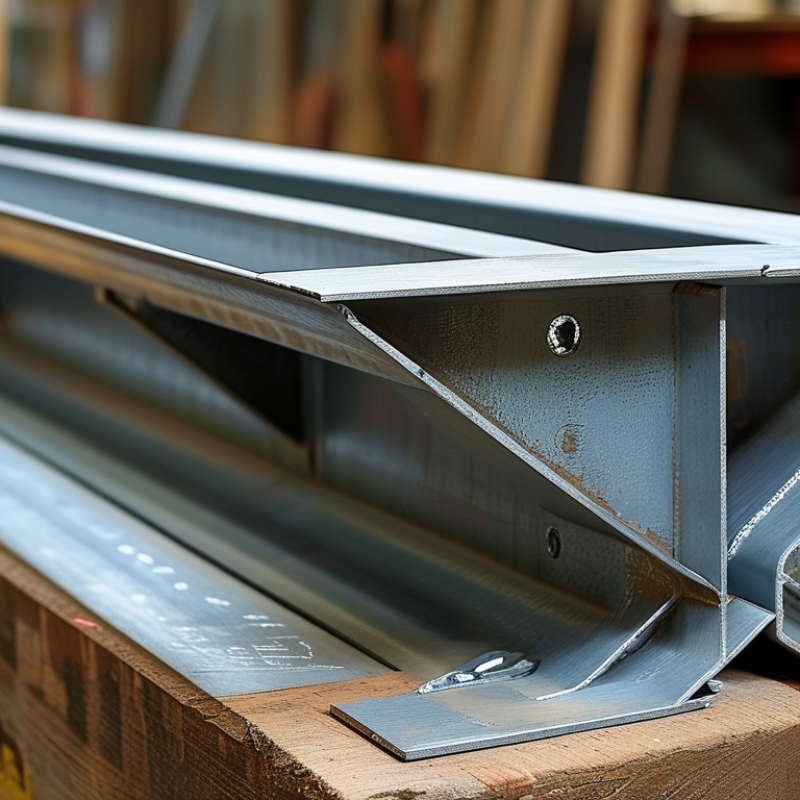
When selecting corner metal brackets, several factors are critical for ensuring a successful project. One key consideration is the material of the brackets. Steel offers strength and durability, while aluminum is lightweight and resistant to corrosion. Understanding your project's needs can guide this choice effectively.
The weight capacity of the brackets matters as well. Consider what you plan to support. Overloading brackets can lead to project failure. This requires careful calculation of load requirements.
Proper installation is just as important as choosing the right bracket. Misalignment during installation can cause stress points, leading to eventual failure. Take your time to ensure everything fits correctly. Additionally, assess the environment where the brackets will be used. Moisture, temperature extremes, and potential wear can all impact the longevity of your choice.
Types of Corner Metal Brackets for Various Projects
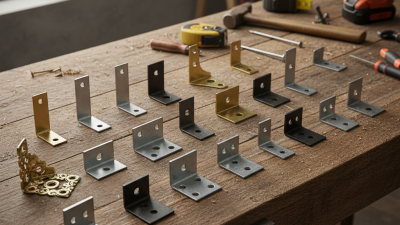
When selecting corner metal brackets, understanding the types available is crucial. They come in various shapes and materials, each serving different functions. L-brackets are common for light-duty applications. These brackets can support shelves or frames. They are easy to install and typically come in a range of sizes.
Another option is triangular brackets, often used in more robust constructions. These are excellent for reinforcing corners. They provide stability and strength to furniture or cabinets. For heavier loads, strap brackets are recommended. Their extended shape helps distribute weight effectively across wider surfaces.
Choosing the right type can be challenging. Not all projects require the same strength. Sometimes, a simple fix may not hold under pressure. It's okay to reassess your needs as you go. Ensuring the proper fit and load capacity is a practical approach. This can prevent future issues and enhance the longevity of your work. Always consider the materials you are working with. Your project's success often hangs on these small but significant details.
How to Choose the Best Corner Metal Brackets for Your Projects? - Types of Corner Metal Brackets for Various Projects
| Type of Corner Bracket |
Material |
Load Capacity (lbs) |
Common Uses |
Installation Difficulty |
| L-bracket |
Steel |
50 |
Furniture assembly, shelving |
Easy |
| Corner brace |
Aluminum |
30 |
Lightweight structures, picture frames |
Moderate |
| T-bracket |
Stainless Steel |
70 |
Heavy-duty shelves, frameworks |
Difficult |
| Flat Bracket |
Plastic |
20 |
Light fixtures, small shelves |
Very Easy |
| Angle Bracket |
Cast Iron |
100 |
Structural support, machinery |
Difficult |
Material Choices for Durable Corner Metal Brackets
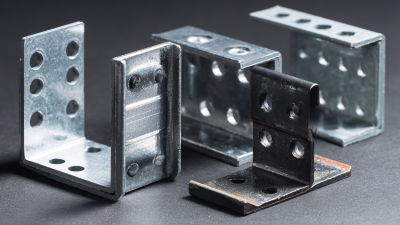
When selecting corner metal brackets, the material is crucial for durability. Common choices include steel, aluminum, and plastic. Steel offers exceptional strength and resilience, making it ideal for heavy-duty applications. However, it can be prone to rust without proper coating. Aluminum, while lighter and resistant to corrosion, may not withstand high loads as effectively as steel. For lighter projects, plastic brackets are a viable option, but they generally lack the integrity needed for heavier tasks.
According to a report by the Metal Construction Association, around 70% of construction professionals prefer steel brackets due to their superior load-bearing capabilities. This statistic highlights the importance of material choice. Choosing the right material can significantly affect your project's longevity and safety.
However, each material has its downsides. Steel must be treated to prevent corrosion, which adds to costs. Aluminum may require thicker designs to achieve the same strength as steel. Conversely, relying on plastic brackets for load-bearing structures can lead to failures. It's essential to weigh these factors against your specific project needs.
Determining the Right Size and Load Capacity for Brackets
When selecting corner metal brackets, size and load capacity are crucial. The right bracket depends on your specific project needs. Start by measuring the intended space carefully. Ensure that the bracket will fit snugly in the corners without any obstruction. A precise fit helps maintain the structural integrity of your work.
Load capacity is another vital factor to consider. If you overlook weight limits, your project could suffer. Check the bracket's specifications for its maximum load. This information is essential, especially for heavy-duty applications. Sometimes, it's beneficial to consult expert resources to understand the best options available.
Evaluate whether the chosen brackets align with your project requirements. Sometimes, the perfect size might not meet the expected load capacity. It’s okay to rethink your choices. Being aware of these details can prevent costly mistakes. Overall, your attention to these aspects will lead to more successful outcomes.
Tips for Installation and Maintenance of Corner Metal Brackets
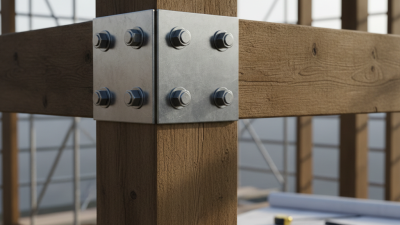
When installing corner metal brackets, ensure you start in a clean, dry space. Assess the area where the brackets will be fixed. Make sure the angle is accurate. Use a level tool to check alignment. Proper alignment prevents future issues. Sometimes, brackets can twist if not installed correctly. This can lead to weak joints.
During installation, use the right screws. Not all metal brackets come with screws, and using unsuitable ones impacts durability. It's essential to tighten screws adequately, but avoid overtightening. This can bend the bracket or strip the screws. Always check the brackets periodically for any signs of wear or rust.
Regular maintenance enhances the longevity of your installation. Wipe the brackets with a damp cloth regularly to remove dust and grime. Check for corrosion every few months, especially in humid environments. If you notice any rust, address it immediately to prevent spreading. Reflect on your installation process; even small errors can derail a project. Readjusting or reinforcing brackets after installation can be necessary to ensure optimal strength.