How to Choose the Best Flight Case Latch for Your Needs?
Choosing the right Flight Case Latch can be a daunting task. With so many options available, it's essential to consider various factors. According to industry expert John Parker, “A well-chosen latch not only secures your equipment but enhances its portability." This highlights the importance of making an informed decision.
Flight Case Latch options vary in materials and designs, each serving specific needs. For example, some are designed for heavy-duty protection while others focus on lightweight convenience. Assessing your requirements is crucial to find the best fit. Reliability is key when it comes to ensuring your valuable gear is protected.
Sometimes, people overlook the significance of a quality latch. It’s easy to choose based on appearance or price. However, this can lead to regrettable outcomes. A faulty latch may compromise your equipment's safety. Therefore, understanding what makes a latch effective is paramount for anyone in need of a Flight Case Latch.
Understanding the Different Types of Flight Case Latches Available
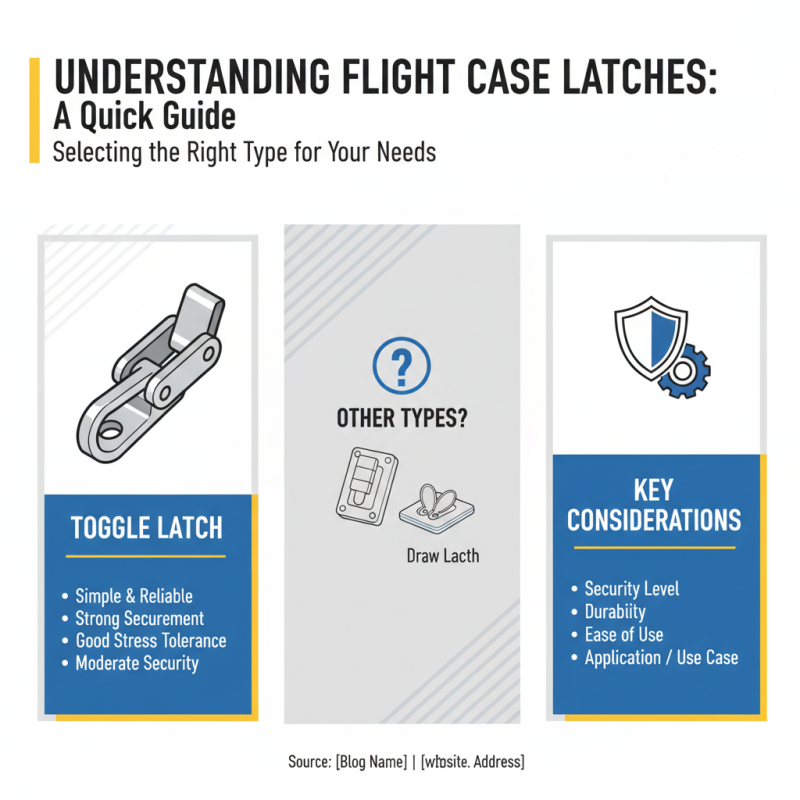
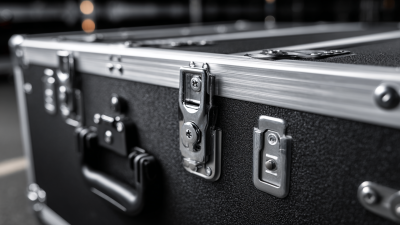
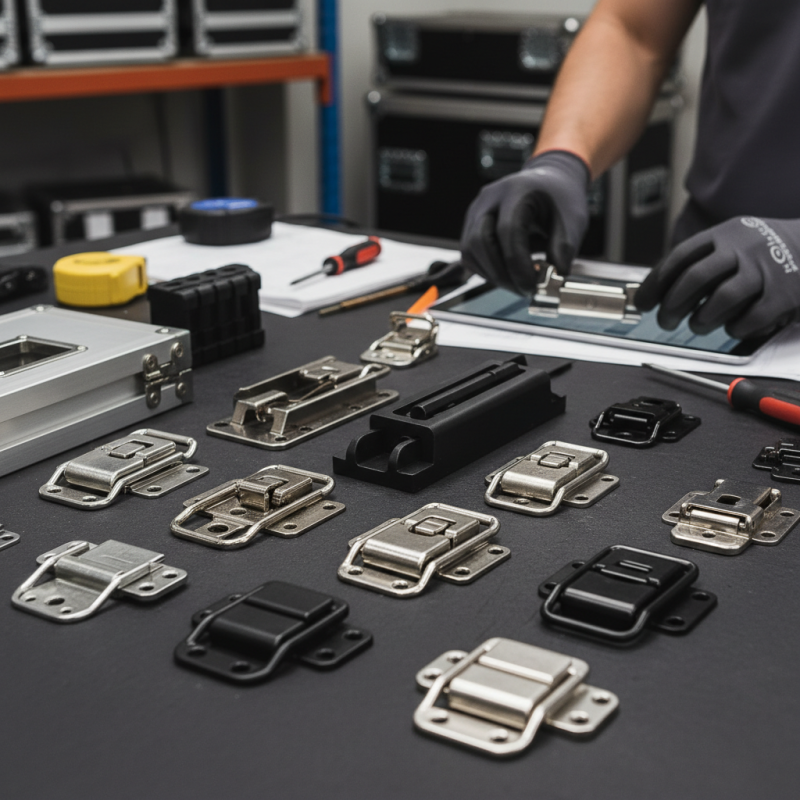
When selecting a flight case latch, it's crucial to understand the various types available. Different designs cater to different needs. A commonly used latch type is the toggle latch, known for its simplicity and reliability. It secures the lid effectively and can handle considerable stress. But, it may not provide the highest level of security.
Another popular option is the quarter-turn latch. These offer a quick-release feature, making access convenient. They are quite secure but require specific installation, which can complicate some builds. Additionally, there are slide latches and cam latches that offer versatile mounting options. Each type presents distinct advantages and disadvantages.
It's essential to consider your specific requirements when choosing a latch. The weight of the equipment and transportation conditions are key factors. A latch that works well for one case may not suit another. Sometimes, users overlook the importance of materials used in latches. Metal latches often promise durability, while plastic options can be lighter but may wear over time. Taking the time to evaluate these elements can lead to a better decision, ensuring your flight case performs reliably under pressure.
Factors to Consider When Choosing Flight Case Latches
When choosing a flight case latch, it’s crucial to consider several key factors. Start with the intended use. Will the case endure heavy travel or remain stationary? For frequent travelers, durability is essential. Look for latches made from robust materials, like stainless steel or reinforced plastic. These materials withstand wear better over time.
Another aspect to reflect on is security. Latches should provide reliable locking mechanisms. Consider options that offer features like combination locks or padlock compatibility. This added security helps protect your valuable equipment. Yet, balancing security and accessibility is important. An overly complex latch may hinder quick access when needed.
Weight and ease of installation also warrant attention. Heavy latches may increase the overall weight of the flight case. Opt for designs that maintain strength without being cumbersome. Some latches require special tools for installation. This can complicate repairs when you need to change or replace them. Evaluate your comfort level with the installation process. Making informed choices ensures your case remains functional and user-friendly.
Factors Influencing the Choice of Flight Case Latches
Assessing Material Durability and Weather Resistance
When selecting a flight case latch, material durability and weather resistance are crucial factors to consider. A latch made from high-quality metals, like stainless steel, offers enhanced strength and longevity. Such materials endure frequent use and resist corrosion. In contrast, plastic latches may seem affordable but often wear out quickly under tough conditions.
Weather resistance is equally important. Look for latches designed to withstand moisture, dust, and extreme temperatures. Some latches come with seals that prevent water intrusion, protecting your equipment inside the case. However, it’s essential to remember that even the best latches may eventually fail if regularly exposed to harsh environments. Regular inspections can help highlight signs of wear and prevent future issues.
Choosing the right material and design requires some thought. Different environments demand different solutions. Evaluate your specific needs carefully. Reflect on your previous experiences with different latches. Did they hold up in challenging conditions? Learning from past mistakes will guide your decision. Prioritize durability and reliability to ensure your gear stays secure.
Evaluating Ease of Use and Accessibility of Latches
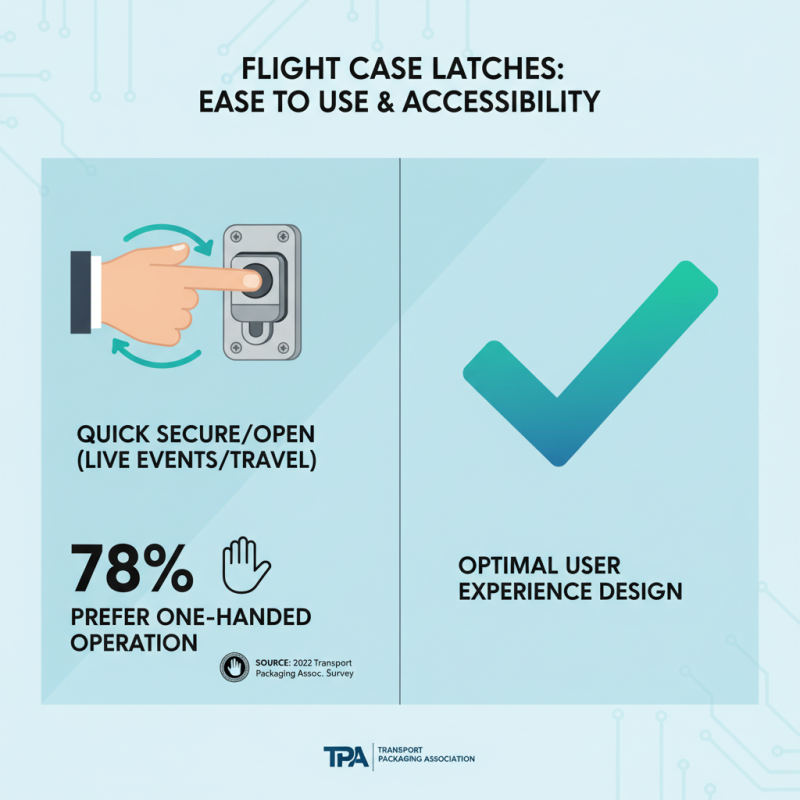
When selecting a flight case latch, ease of use and accessibility are vital. Users need latches that can be quickly secured or opened, especially in high-pressure situations like live events or travel. A 2022 survey by the Transport Packaging Association indicated that 78% of professionals prefer latches that can be operated with one hand. This highlights the importance of design in user experience.
Accessibility must also cater to various users, including those with physical limitations. Some latches are designed with larger handles or spring-loaded mechanisms, making them easier to operate. A study published in the Journal of Safety Engineering noted that improving latch design for accessibility can enhance safety compliance by 35%. Despite this, many existing options still require considerable force or dexterity, which could lead to frustration and potential damage during use.
Moreover, while weighing the ease of use, consider latch durability. Many high-quality latches can resist physical stress but may sacrifice accessibility features. Users often have to compromise between robust design and user-friendly functionality. It’s crucial to reflect on what is most important for your application. Balancing these factors can enhance not only individual satisfaction but also operational efficiency.
Comparing Cost vs. Quality for Flight Case Latch Selection
When selecting flight case latches, it is vital to carefully compare cost versus quality. Cheaper latches may seem appealing, but they often compromise durability. A low-cost latch might fail under stress or with repeated use. Consider how often you will transport your cases. Frequent travel requires more robust latches that can withstand wear and tear.
Investing in quality latches can save you money in the long run. High-quality options tend to resist corrosion and mechanical failures better. They offer reliable performance and peace of mind. However, not all high-priced latches guarantee optimal performance. Look for materials like stainless steel or reinforced plastic to ensure durability. Remember to assess your specific needs before making a decision. Balancing your budget with quality can lead to an informed choice. Always reflect on how much protection your equipment truly requires when making that choice.
How to Choose the Best Flight Case Latch for Your Needs? - Comparing Cost vs. Quality for Flight Case Latch Selection
| Latch Type |
Material |
Cost ($) |
Durability Rating |
Weight (g) |
Recommended Use |
| Spring Latch |
Steel |
5 |
Moderate |
50 |
Light-duty cases |
| Draw Latch |
Aluminum |
7 |
High |
80 |
Medium-duty cases |
| Butterfly Latch |
Zinc Alloy |
6 |
Very High |
70 |
Heavy-duty cases |
| Snap Latch |
Plastic |
3 |
Low |
30 |
Lightweight cases |
| Cam Latch |
Steel |
8 |
High |
60 |
General use |