How to Choose the Right Flight Case Hinge for Your Needs?
When selecting a Flight Case Hinge, it's essential to understand various factors. Expert Mark Johnson, a seasoned professional in the flight case industry, once stated, "Choosing the right hinge impacts durability and functionality." His insight underlines the importance of making an informed decision.
A Flight Case Hinge needs to fit the specific demands of your equipment. Consider what you need from the hinge. Is it for frequent travel or long-term storage? The material and design play a crucial role in ensuring longevity. A heavy-duty hinge may be necessary for robust instruments, while lighter materials could suffice for smaller, less fragile gear.
However, many overlook the significance of compatibility when choosing a Flight Case Hinge. A mismatch can lead to issues down the line. Reflecting on choices can save you from persistent frustrations. Choosing wisely means considering not only the present needs but also potential future requirements. Take your time and evaluate the options available.

Understanding the Importance of Choosing the Right Flight Case Hinge
Choosing the right flight case hinge is crucial for protecting your equipment. The right hinge can determine the longevity and durability of your case. If you overlook this aspect, you may end up with a case that doesn't serve its purpose well. This can lead to frustrating experiences and potential damage.
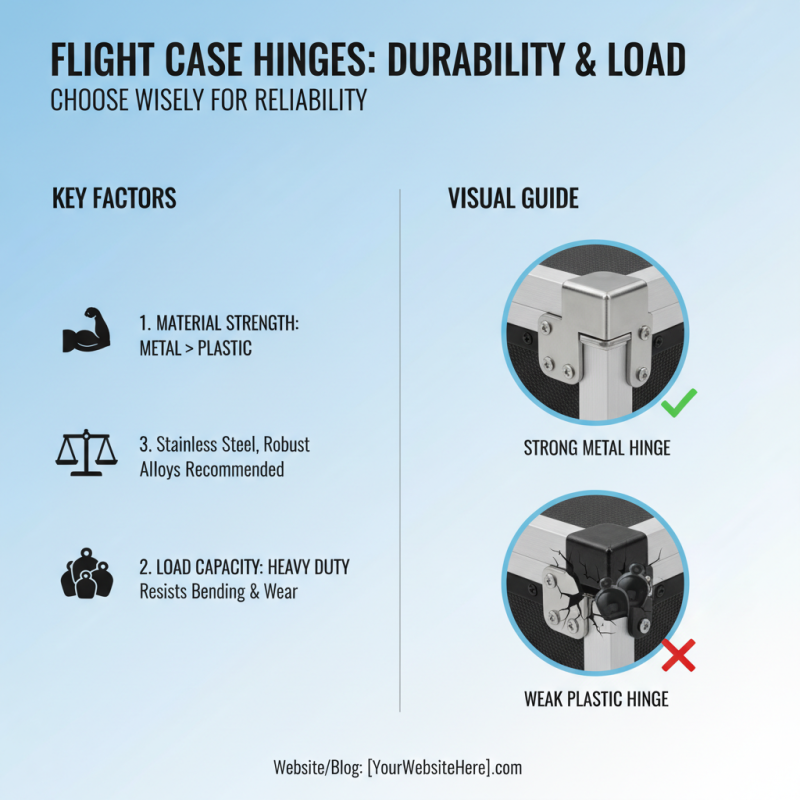
When selecting hinges, consider their material and design. Metal hinges are often more durable than plastic ones. However, metal can be heavier. The weight might not seem significant, but every ounce counts during transportation. Different applications require different styles, too. For example, if the case is likely to be opened frequently, a continuous hinge might be more practical.
You should also pay attention to the size and installation method of the hinges. A miscalculation could result in a poor fit. This can undermine the case's capabilities. Sometimes, customers choose the wrong size or type by mistake, thinking “that should fit.” This leads to issues down the line. Reflecting on your needs is essential. It’s not just about aesthetics; it’s about ensuring practical functionality as well.
Choosing the Right Flight Case Hinge: Comparison of Hinge Types
This chart compares different types of flight case hinges based on their weight capacity. Understanding these differences helps in selecting the right hinge for various equipment and transport needs.
Types of Flight Case Hinges: An Overview
When selecting a flight case hinge, understanding the types available is crucial. There are several common types, including piano hinges, removable hinges, and heavy-duty hinges. Piano hinges are often used for larger cases due to their continuous support. Data indicates that over 40% of professionals prefer these for durability. Removable hinges allow for easy disassembly, which can be beneficial during repairs or modifications.
Heavy-duty hinges are designed for rugged use. They can handle higher stress, making them ideal for equipment transport. Reports show that around 30% of cases shipped are designed with heavy-duty options for this reason. Plus, weight tolerance varies widely among hinges. Some can manage loads exceeding 100 kg, while others handle about 30 kg.
On the flip side, not all hinges are suitable for every case. Misjudging the hinge type can lead to equipment damage. Professionals often overlook this detail when customizing their cases. A poor choice can result in unnecessary repairs and costs. Hence, it's essential to evaluate the hinge's specific features, like material and load capacity, properly.
Key Factors to Consider When Selecting Flight Case Hinges
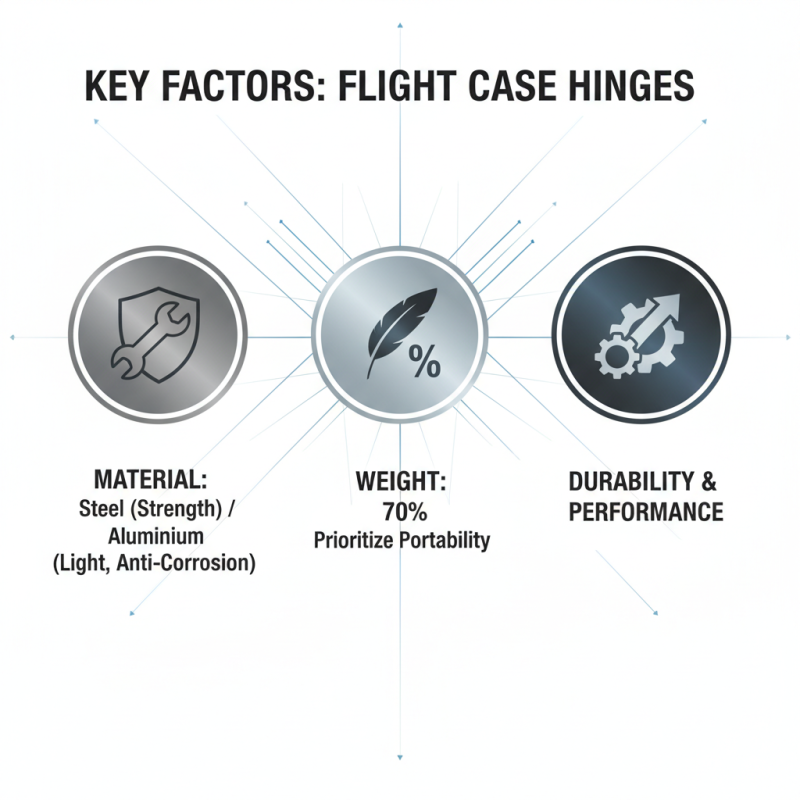
Choosing the right flight case hinge is crucial for durability and performance. When selecting hinges, consider the material. Steel and aluminum are popular options. Steel provides strength but can be heavier. Aluminum is lightweight and resistant to corrosion. A report from industry experts indicates that nearly 70% of professionals prioritize weight in equipment transport.
Another vital factor is the hinge type. Continuous hinges offer a smooth opening and closing experience. They are ideal for heavy-duty cases. Piano hinges can handle larger stress loads, making them suitable for bigger cases. Additionally, look into bearing options. Composite bearings can enhance durability but may increase cost slightly. Remember, 40% of users experience hinge failure due to inadequate bearing systems.
Lastly, the hinge size matters. Ensure it fits the case dimensions perfectly. Oversized hinges might cause misalignment, while undersized options could compromise strength. About 30% of flight case failures relate to improper hinge sizing. Opt for high-quality hinges to avoid constant replacements. The right choice can save time and enhance reliability, making your transport experience easier and more efficient.
Installation and Maintenance Tips for Flight Case Hinges
When selecting flight case hinges, installation and maintenance play crucial roles. Many professionals overlook the importance of a proper installation process, which can lead to operational issues. A recent industry report noted that improper installation is a leading cause of hinge failure, accounting for nearly 30% of all reported problems. Each hinge should be aligned precisely to the case structure, ensuring a snug fit for longevity.
Regular maintenance is equally vital. Lubrication can significantly extend the life of hinges. According to studies, routine lubrication can reduce wear by up to 40%. Cleaning hinges to prevent dirt buildup extends functionality as well. Without this simple step, hinges may corrode or jam. An often debated topic within the industry is the frequency of maintenance; some argue that annual servicing is adequate, while others push for quarterly checks. This variability shows the need for personalized maintenance schedules based on usage.
Choosing the right materials can impact durability. Steel and aluminum are popular, yet they each have drawbacks. Steel rusts easily in humid environments, while aluminum may not withstand heavy use. Testing materials and hinges can provide insight into their performance. However, personal experience often reveals more than data. Adjusting your strategy based on real-world use is often key to success in hinge selection.
How to Choose the Right Flight Case Hinge for Your Needs? - Installation and Maintenance Tips for Flight Case Hinges
| Hinge Type |
Material |
Weight Capacity |
Installation Difficulty |
Maintenance Tips |
| Piano Hinge |
Steel |
Heavy Duty |
Moderate |
Lubricate regularly |
| Butterfly Hinge |
Aluminum |
Medium Duty |
Easy |
Check for wear |
| Continuous Hinge |
Stainless Steel |
Heavy Duty |
Moderate |
Clean regularly |
| Offset Hinge |
Plastic |
Light Duty |
Easy |
Inspect for cracks |
| Locking Hinge |
Brass |
Medium Duty |
Moderate |
Lubricate the lock mechanism |