Leave Your Message

7 Tips for Choosing the Right Flat Corner Brace?

Choosing the right Flat Corner Brace can determine whether a joint stays square or slowly shifts under pressure. A small bracket may support a cabinet frame, shelf, table, or outdoor structure, but appearance alone proves very little. In practical assembly work, thin metal can bend near the screw holes, especially when the brace carries uneven weight. The correct choice depends on material, thickness, hole layout, finish, and the actual force applied to the joint.

This guide presents seven practical tips for making a more dependable decision. It considers steel strength, galvanized or stainless finishes, brace dimensions, screw compatibility, and installation accuracy. A 90-degree brace may fit perfectly, yet still fail if the wood is weak or the fasteners are too short. Measure twice.

Real projects are rarely perfect. A brace can be well manufactured but poorly positioned. A thicker model can offer strength but create clearance problems inside a narrow cabinet. These trade-offs deserve attention before purchase, not after the frame begins to wobble. Product specifications should be checked carefully, and load requirements should be confirmed when safety matters. No single tip replaces professional structural advice for heavy or critical applications. Still, thoughtful selection can prevent common mistakes, reduce wasted materials, and produce cleaner, more stable results. The following tips provide a practical framework for comparing options with greater confidence.
7 Tips for Choosing the Right Flat Corner Brace?

Understanding Flat Corner Brace Types and Their Structural Roles

7 Tips for Choosing the Right Flat Corner Brace

Understanding Flat Corner Brace Types and Their Structural Roles

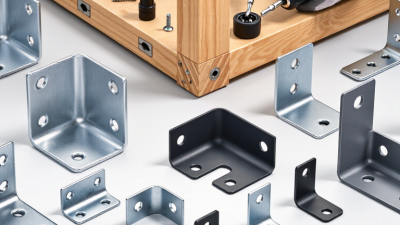
A flat corner brace is more than a small metal plate. Its shape, thickness, hole pattern, and material determine how it supports a joint. Equal-leg braces suit balanced inside corners, while unequal-leg types help when one surface is narrower. Slotted holes allow minor adjustment during installation. Heavy-gauge braces handle greater movement and repeated loading, but they still need suitable fasteners and solid substrates.

Check the joint’s main force before choosing a brace. Shear loads push across the joint, while tension tries to pull the surfaces apart. A brace with wider flanges can spread force over more material. Longer fasteners may improve holding power in timber, but excessive length can damage hidden components. Match the brace material with the environment. Corrosion-resistant finishes are useful in damp rooms, workshops, and outdoor structures. Keep the joint square.

In practical installation, I check the corner with a ruler and test-fit the brace before drilling. The fastener heads should sit firmly without crushing the metal. Avoid placing every screw too close to an edge, because splitting or breakout may weaken the connection. A brace can look strong and still fail when the base material is soft or cracked. I once underestimated that detail. Rechecking the substrate is not wasted effort. It is often the difference between neat reinforcement and a loose corner.

Matching Brace Size and Load Capacity to Your Project

Tip 1: Match the brace size to the joint, not just the furniture. Measure the corner depth, material thickness, and screw spacing. A brace that is too short may leave only a small bearing area. That creates stress around the fastener holes. A larger brace is not automatically safer. It may split thin timber or distort light-gauge metal.

Tip 2: Calculate the expected load before choosing capacity. Add the item’s weight, stored contents, and a reasonable movement allowance. ASCE/SEI 7-22 requires designers to consider dead, live, wind, and combined loads. A flat corner brace often resists sideways movement, not only vertical weight. The 2021 International Residential Code lists 40 psf for many residential floor areas. That figure is not a direct brace rating. Never transfer it blindly to one bracket. Load paths matter.

Tip 3: Check the fasteners and the base material. A high-rated brace cannot perform well with short screws in weak particleboard. AISC Steel Construction Manual guidance emphasizes connection strength, edge distance, and load transfer. Those details are easy to overlook. On site, a neat-looking corner can still be undersized. Test the joint gradually, watch for rotation, and inspect the screw holes after loading. I would also question laboratory ratings without clear test direction, mounting conditions, and safety factors. Data sheets can look precise. Real installations are less perfect.

Choosing the Right Material and Protective Finish

When choosing a flat corner brace, material selection should match the working environment. Carbon steel offers strength and lower cost, but exposed moisture can quickly create red rust. Stainless steel suits kitchens, outdoor furniture, and humid workshops. Aluminum resists corrosion well, although it may deform under heavy loads. Do not judge by appearance alone. Measure load, thickness, hole size, and surface contact before buying.

Protective finish matters as much as the base metal. Zinc plating can slow corrosion indoors, while hot-dip galvanizing provides a thicker barrier for harsher exposure. Powder coating adds color and impact resistance, but chipped edges can expose the steel beneath. According to the NACE IMPACT study, corrosion costs reached about US$2.5 trillion globally, equal to roughly 3.4% of global GDP. That figure makes a small brace worth inspecting carefully.

Use ASTM B117 salt-spray testing as a comparison tool, not a guarantee of field life. ISO 9227 testing can reveal coating weaknesses, yet real conditions vary with salt, abrasion, drainage, and maintenance. I have seen well-coated braces fail because water stayed trapped behind them. Check the cut edges and screw holes. They are easy to overlook. Choose compatible screws, avoid mixed metals where possible, and inspect the finish after installation. Test before trusting.

Checking Hole Patterns, Fastener Fit, and Installation Space

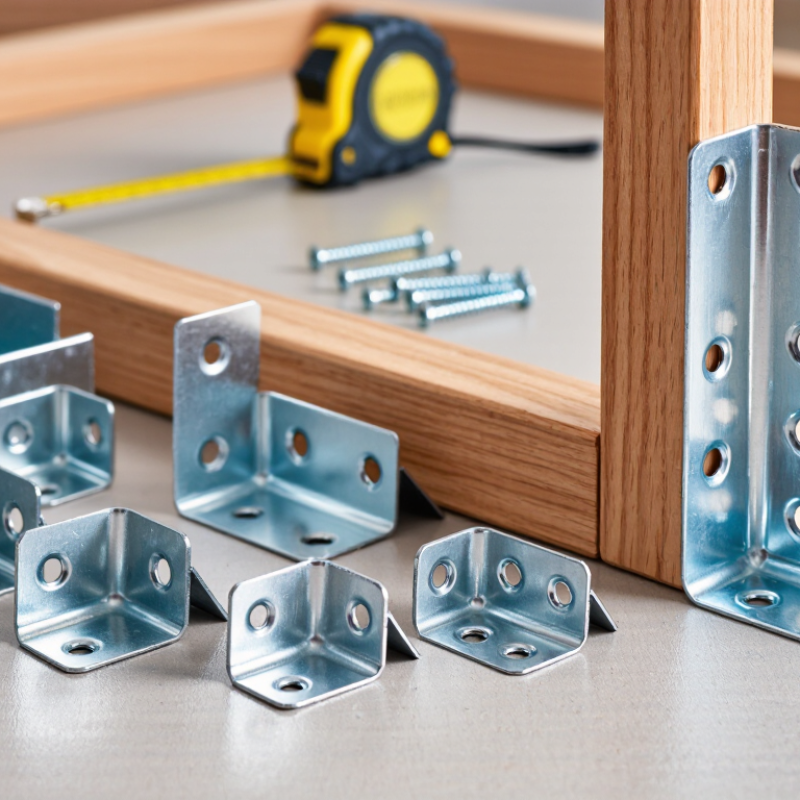
Choosing the right flat corner brace starts with the hole pattern. Measure the center-to-center spacing, hole diameter, and distance from each edge. A brace may look suitable, yet a few millimeters can prevent proper alignment. Place the brace against the joint before drilling. Check whether existing holes match both pieces of material. Do not rely on photographs or approximate measurements.

Fastener fit matters just as much. Match the screw diameter to the brace holes without forcing it through. Choose a length that provides solid thread engagement but does not exit the opposite side. Consider the fastener head shape, washer size, and material compatibility. For heavier joints, follow the brace maker’s stated load guidance and inspect the wood or metal for damage. I once selected screws that were technically strong, but their heads interfered with the brace. That small oversight weakened the installation.

Installation space is easy to overlook. Leave enough room for a drill, screwdriver, wrench, and your hand. Nearby walls, trim, pipes, or cabinet panels may block the tool path. Test the brace in place with temporary tape or a light clamp. Check that the corner remains square before tightening. Tighten gradually and inspect for bending or gaps. A perfect fit on paper can still fail during installation. Rechecking the layout feels slow, but it often prevents a second round of drilling.

Comparing Durability, Cost, and Long-Term Maintenance Needs

Choosing the right flat corner brace requires more than checking its size. Durability, cost, and maintenance often decide whether a repair lasts two years or twenty. Measure the joint, then inspect the material thickness and hole alignment. A brace should sit flush without forcing the wood or metal into position. Measure twice.

For damp areas, corrosion-resistant steel usually offers better long-term value than untreated steel. Rust changes everything. It can enlarge screw holes, stain nearby surfaces, and weaken the connection gradually. However, thicker material is not automatically better. An oversized brace may increase cost without improving a lightly loaded cabinet joint. Match the brace to the load, movement, and surrounding material.

I once chose the cheapest braces for a workshop shelf. The initial saving looked sensible, but loose screws appeared after repeated vibration. Replacing them cost more than buying stronger braces initially. My mistake was judging price without considering access and labor.

Check whether the brace can be inspected easily, especially in humid rooms or outdoor structures. Tighten loose fasteners early, remove surface corrosion, and replace visibly bent parts. Use compatible screws, because a durable brace can still fail around weak or poorly fitted fasteners. Keep a few spare fasteners nearby. Maintenance is easier when the repair does not require dismantling the entire structure.